When I was pregnant with my daughter, I made a lot of plans. Plans for my birthing experience, the postpartum period, easing back into work after maternity leave, breastfeeding, and pumping. You name it, I had a plan for it. I read all the books, scoured all the blogs, and downloaded all the worksheets. Your girl was READY, okay? I remember proudly presenting my birthing plan to my doctor and asking for his opinion, which he easily game. And then finished with, “It’s great that you put that together. We’re probably going to throw all of that out the window in the moment. It’s rare for doctors to stick to the mother’s birthing plan.”

Cue shock and awe!
He clarified that much of the information available online applies a one-size-fits-all approach. It often doesn’t align with the level of care a laboring mother may need, especially when unexpected twists or complications arise. That made sense, and I appreciated his candor. Still, I felt disappointed to learn that I wouldn’t have more of a voice if something went wrong during my delivery.
Patients value the knowledge and skill of medical teams, but we also know our unique bodies and recognize when something doesn’t feel right. This made me think about how often healthcare providers ignore the concerns of pregnant women and birthing people, or even silence their voices, at times when those concerns deserve to be heard, questions answered, and issues objectively researched.
It also made sense why so many more Black women are adding doulas and midwife-assisted home births to their birthing plans. According to the CDC, home births for all women in the United States rose 12% from 2020 to 2021—the highest level in 30 years! While this increase may partly stem from the health crisis in hospitals, many women and birthing people of color express a desire for greater control over their medical care. We want shared decision-making with medical providers and feel safer when professionals take our concerns seriously during such a pivotal and vulnerable time. Unfortunately, most of the healthcare system still isn’t set up that way.
First Steps & Beyond
First Steps & Beyond, a Black maternal and infant community collective, recognizes the challenges to positive health outcomes for Black mothers and babies in Pittsburgh, and how they are directly related to race-based perceptions. And they’ve set out to change things.
They have made it their mission to reduce infant mortality and preterm births, pledging that “every baby born in Allegheny County will celebrate their first birthday.” And part of accomplishing this mission will be through elevating the voices of Black mothers and birthing people whose lived experiences are important to understand as part of pivoting to policies that are more favorable to Black parents and parents-to-be.
The work of First Steps & Beyond will begin through partnerships with Pittsburgh’s community members, doulas, community-based organizations, healthcare systems, and government to accomplish four goals:
- Reduce racial disparities,
- Improve community members’ access to prenatal care to address prematurity rates,
- Teach the ABCDs of safe sleep, and reduce preventable sleep-related infant deaths,
- And provide ongoing support for new mothers once they are discharged from the hospital and throughout the fourth trimester.
One of First Steps & Beyond’s most active partnership groups will be members of their Community Advisory Board, for which they are currently accepting applications, and they need your help!
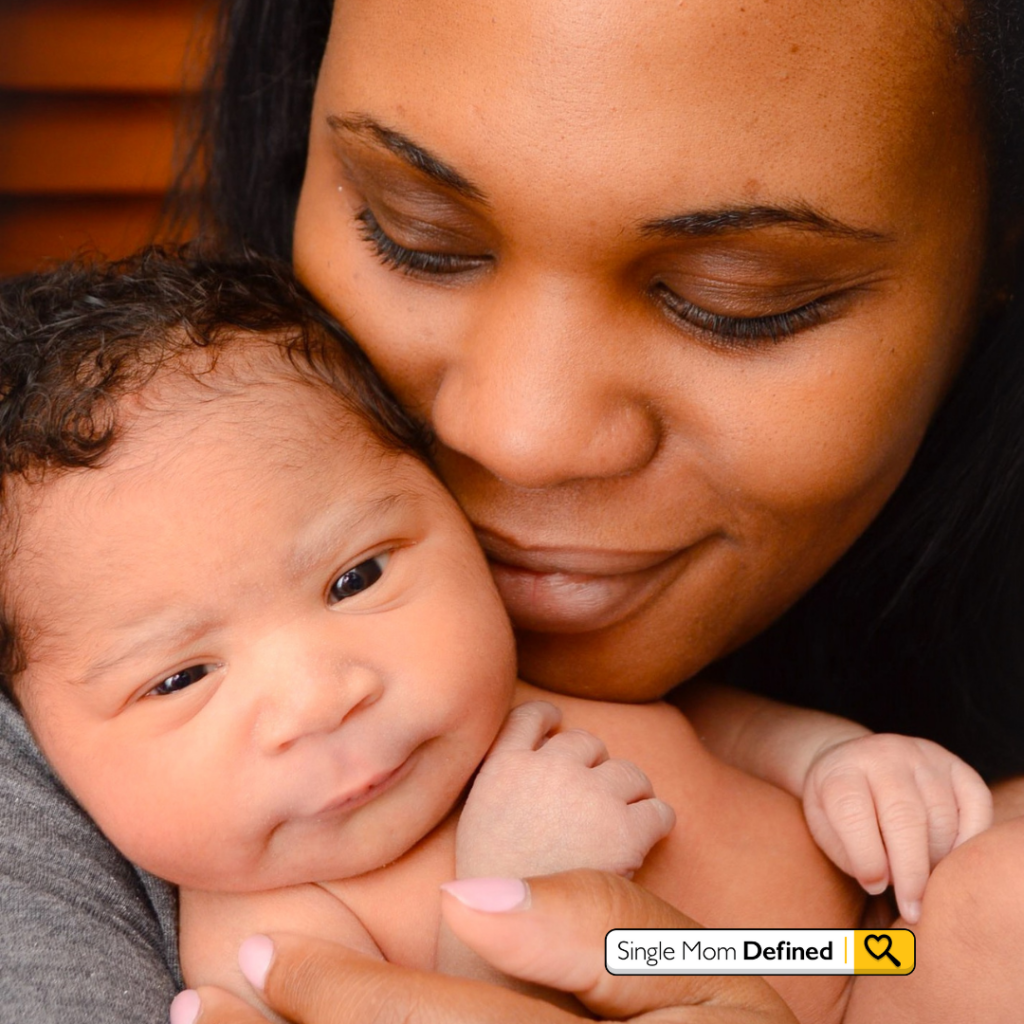
The Call for The First Steps & Beyond Community Advisory Board Members
The First Steps & Beyond Community Advisory Board (CAB) will serve as messengers and actively advocate for the mothers and families the program aims to support. They will:
- Assist in vetting proposed education and resources
- Provide guidance and recommendations on proposed programs and policies
- Share their lived experiences as Black parents, guardians, or caregivers
- Help to elevate the voices of Black women & birthing people and share their concerns about their quest to receive fair and adequate health care
- Engage the community, spread information, and help get people to care about this issue, even if it has never touched them personally
- Have the opportunity to be included regardless of their education level, socioeconomic status, or what neighborhood they live in

The Commitment and Benefits
The commitment for accepted CAB members will include four in-person meetings, Zoom check-in calls, and a retreat.
CAB members will also have the opportunity to facilitate meetings, participate in speaking engagements, and continue professional development in the Black maternal and infant health field. The opportunity to make a real difference in the lives of local families and grow as a community leader sounds like a win/win proposition to me!
The commitment will span from June-December 2023, and you’ll receive a $750 payment for your participation.
If the chance to affect positive health outcomes for other Black parents and infants in Pittsburgh is a calling that resonates with you, you can apply now here: First Steps & Beyond Community Advisory Board. Learn more about First Steps & Beyond.